How to Spot Fresh Dough, Real Cheese, and House-Made Sauce: Checklist
How to Tell If Your Pizza Is the Real Deal
Good pizza should be simple, honest, and comforting. When the fall calendar fills up with football nights, Halloween parties, and family get-togethers in South Florida, many of us start craving that familiar slice of New York-style pizza that actually tastes like real food, not a frozen snack.
That is where ingredient transparency comes in. With rising food costs and more people paying attention to what they eat, chains are using a lot of buzzwords to sound “fresh” without changing what is in the box. We want to help you tell the difference between true family recipe pizza vs. processed chains by looking at the three big pieces: dough, cheese, and sauce.
Our promise here is simple: you will walk away with an easy in-store checklist you can use in under a minute. No food science degree needed, just your eyes, nose, and taste buds. As a family-owned pizzeria that has been serving New York-style pizza, pasta, and Italian comfort food in Pompano Beach and Fort Lauderdale, since 1986, we care a lot about this topic, and we are happy to share what to look for anywhere you go.
Fresh Dough vs. Frozen Disks You Can Spot at a Glance
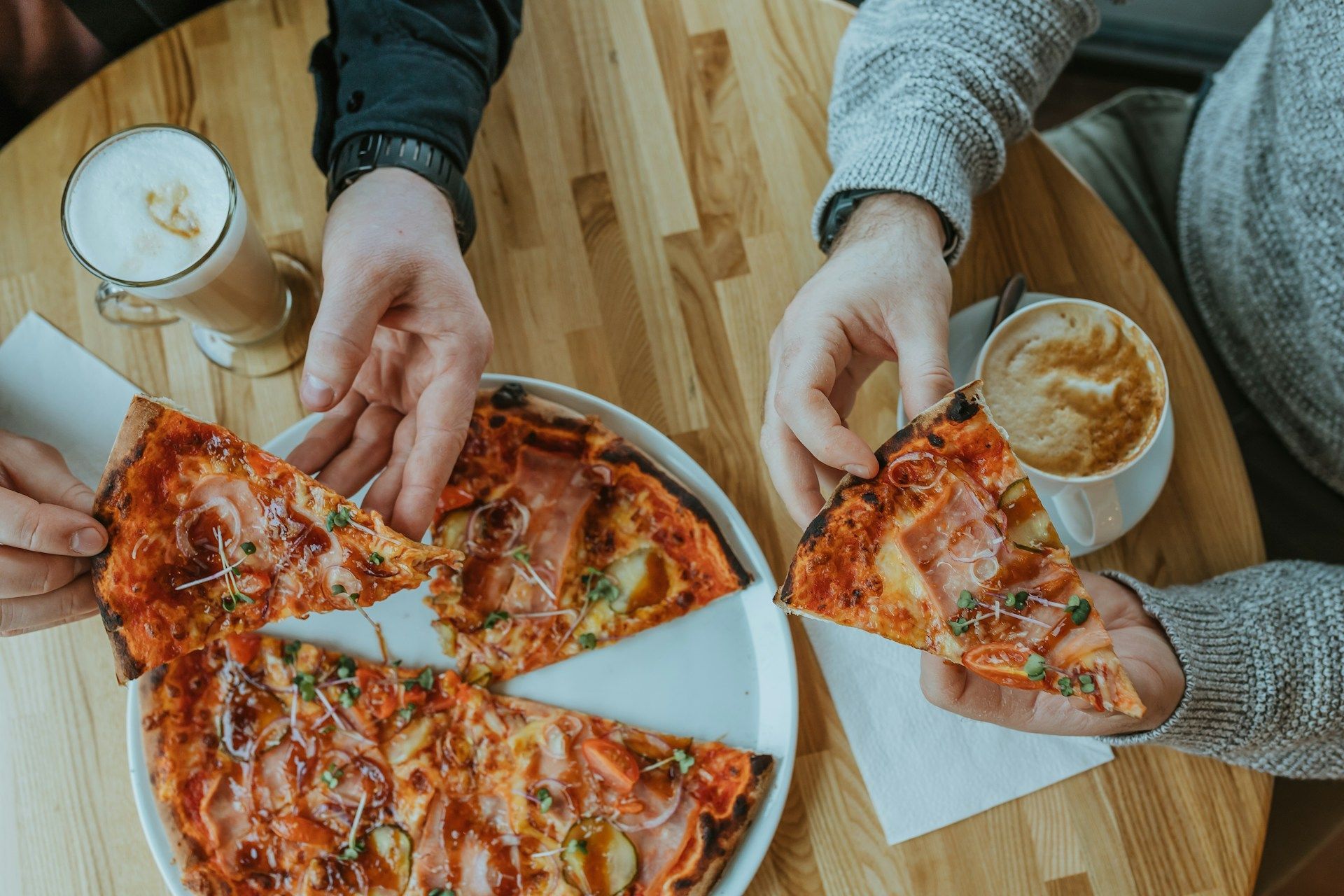
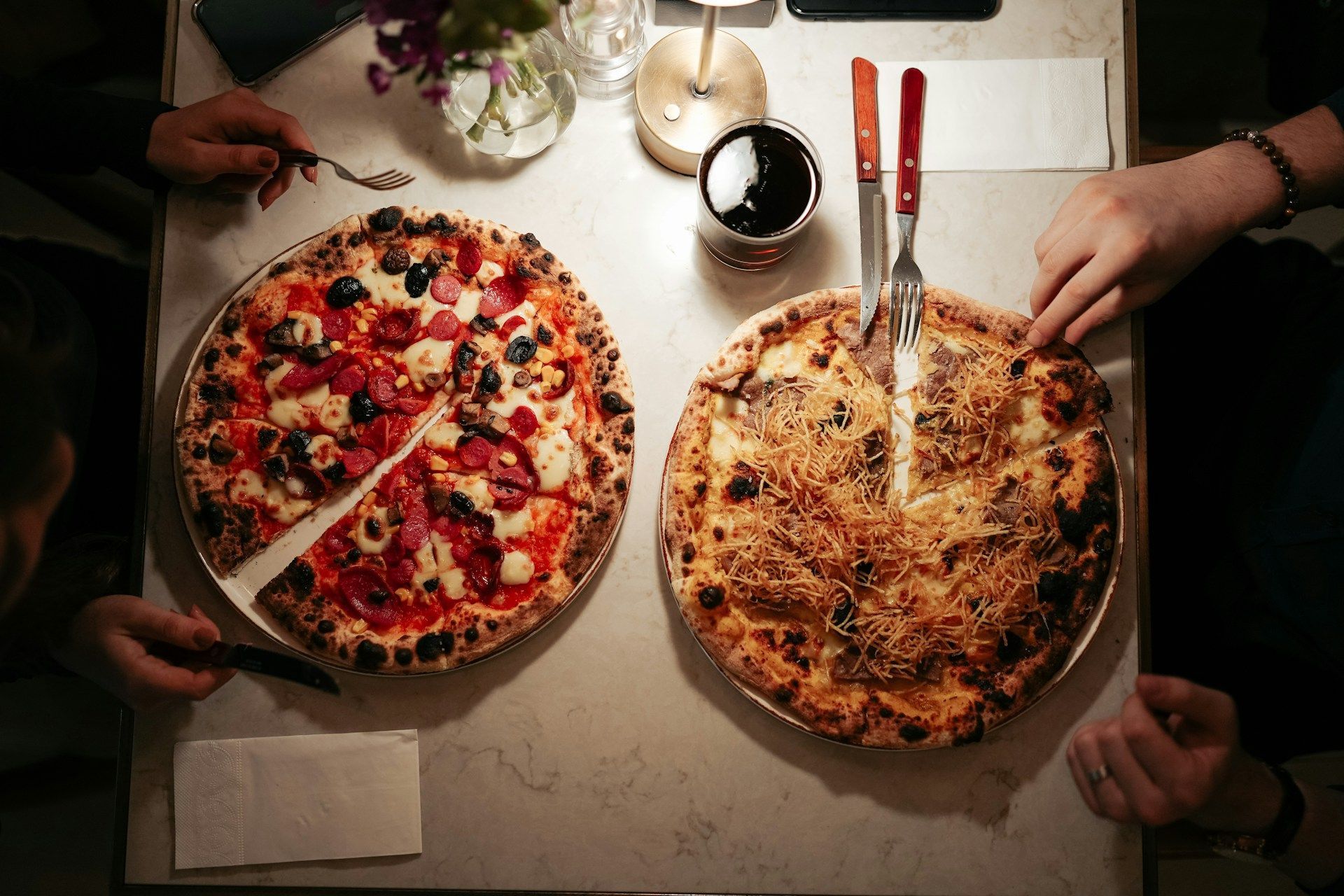
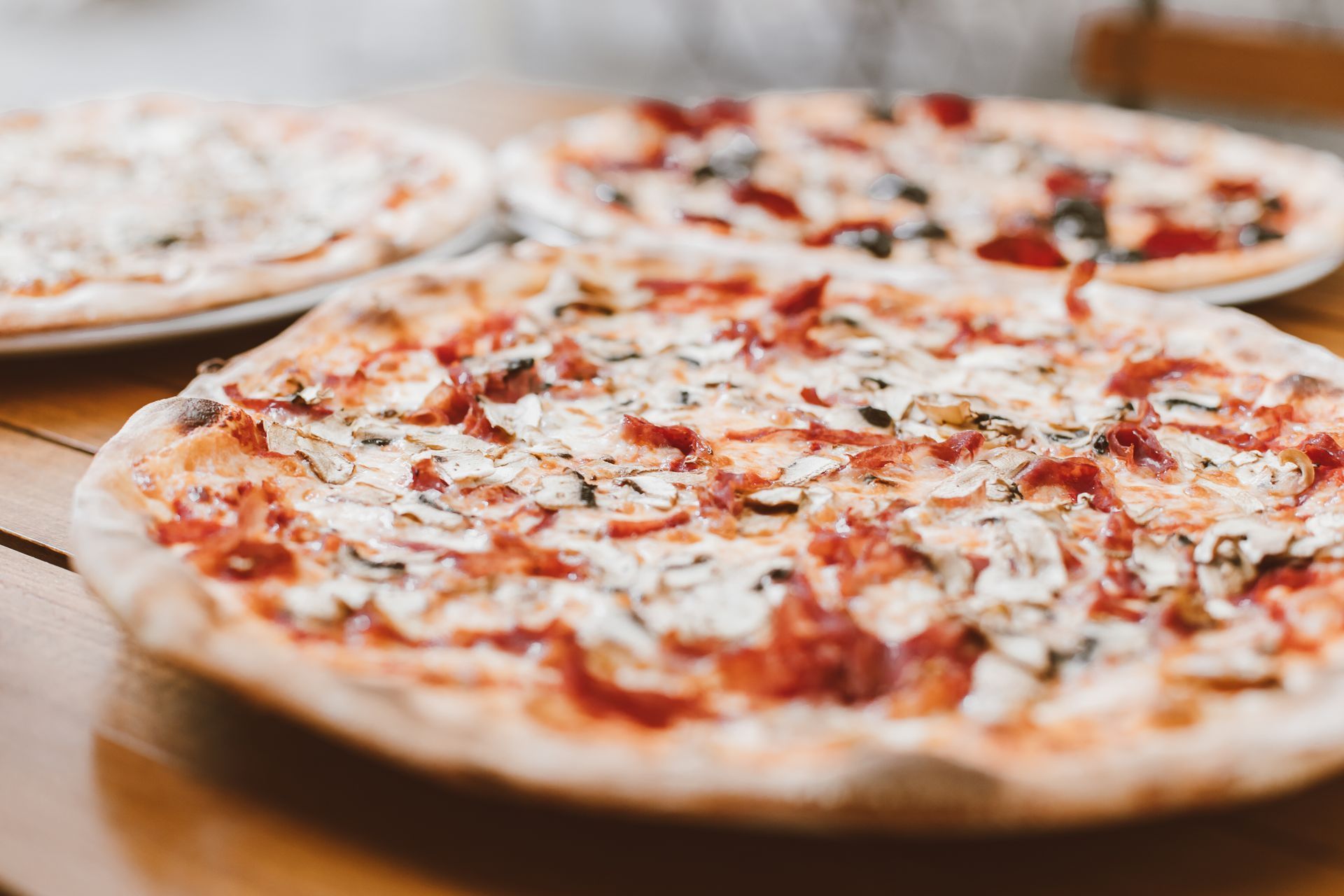
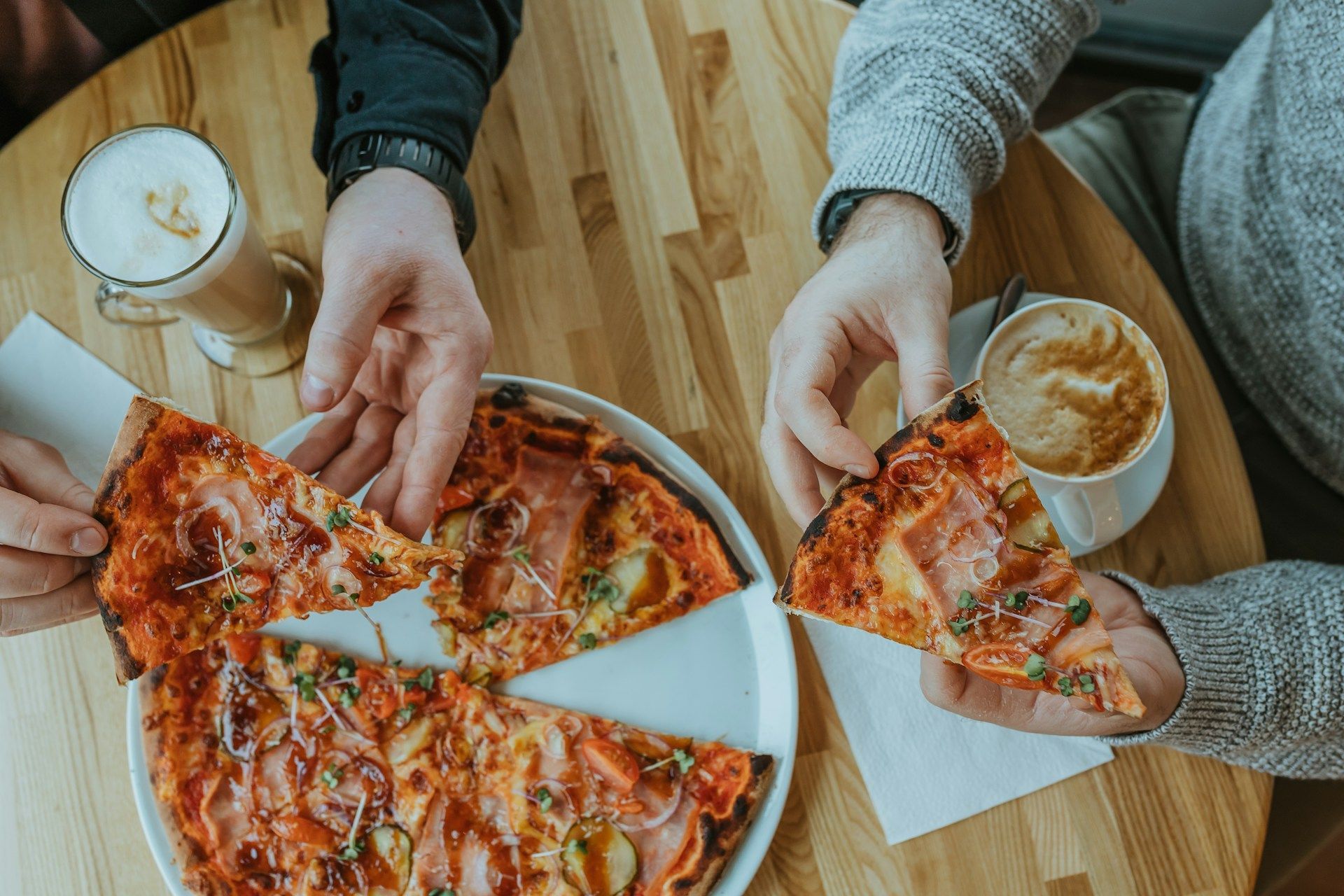
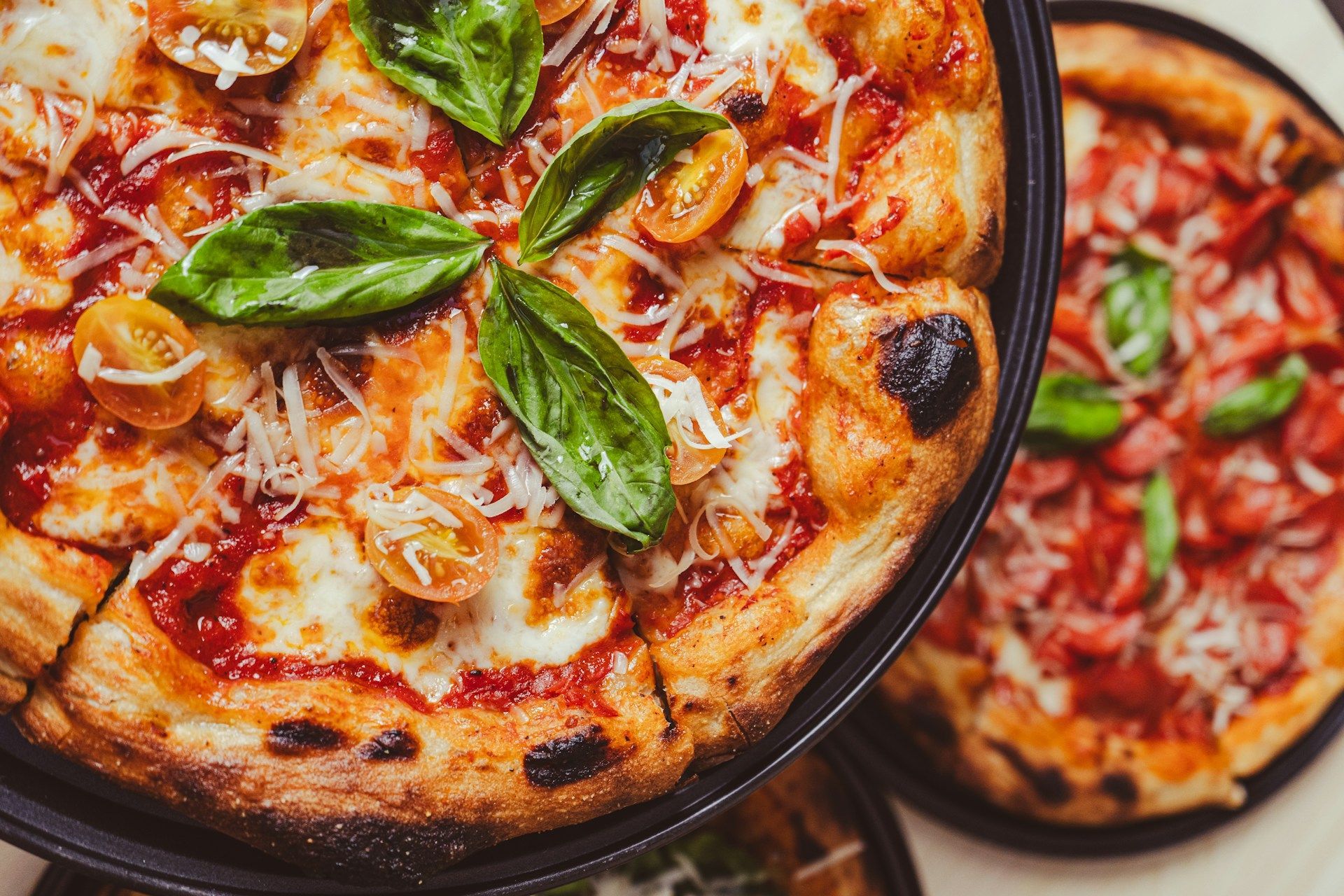
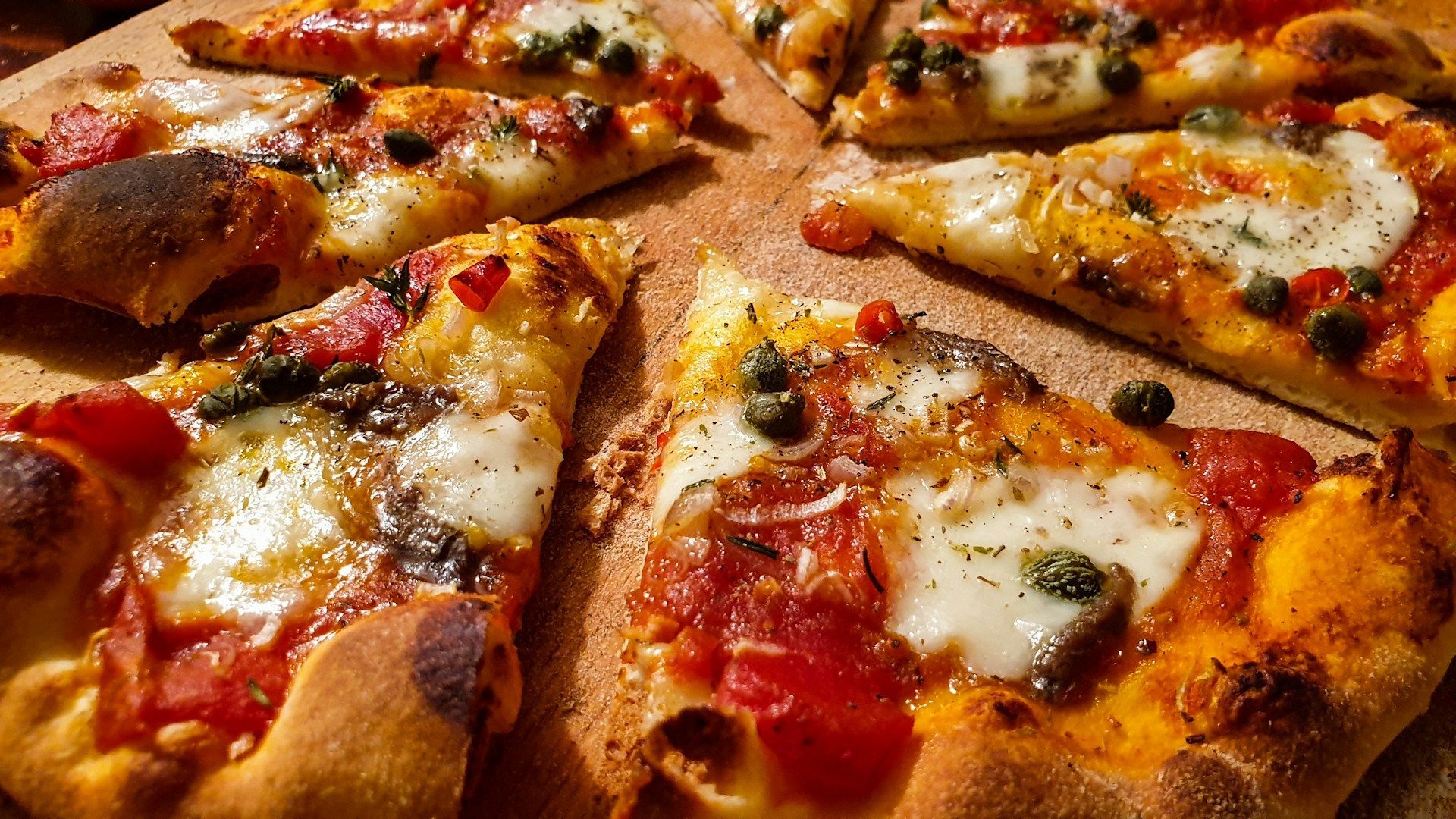
You can tell a lot about a pizza before you even take a bite. Start with the crust. Fresh, in-house dough usually has personality. The edge is slightly uneven, with tiny bubbles and a light, airy feel. When you bite it, it has a bit of chew, not a cracker snap and not spongy bread.
Frozen or factory-pressed crusts tend to look almost too perfect. The circle is exact, the edge is the same thickness all the way around, and the bottom can feel dry or oddly stiff. Every pizza looks like it came out of the same mold.
A few quick visual clues of fresh dough:
- Slightly irregular crust edge, not a perfect ring
- Golden spots and bubbles on the crust, not flat white bread
- Foldable slices that bend without breaking in half
- Light flour dust on the bottom instead of a dry, dusty feel
If you are waiting at the counter, take a casual look behind it. Signs of in-house dough include:
- Covered dough bins or trays proofing near the prep area
- Pizza makers dusting flour and stretching dough by hand
- Staff using dough balls instead of pulling flat crusts from bags
On the other hand, red flags can pop up on menus or signs. Words like “par-baked” usually mean the crust was cooked somewhere else first. Ultra-fast bake times can hint that the base is already mostly done. If the crust looks exactly the same every time you visit, with no small differences, it might not be made on site. Many family-run shops feel proud to say they make dough daily, and you might see that mentioned on a wall sign or menu.
Real Mozzarella vs. Processed Cheese Blends
Next up is the cheese. Real mozzarella has its own look when it melts. It forms soft, stretchy pulls, with small bubbles and a light shine from a bit of natural oil. When you lift a slice and get those long cheese strings, that is usually a good sign.
Processed cheese blends tend to melt into a thick, rubbery blanket. You may see big orange pools of grease sitting on top, or the cheese looks like plastic when it cools down. It can be hard to bite through in one clean pull.
Here are some quick cheese checks:
- Look for smooth, even melt with some stretch
- Watch for extreme orange grease pools as a warning sign
- Notice if the cheese browns lightly in spots instead of turning dark and stiff
- Check if the cheese still tastes good once it cools a bit
Flavor tells the truth too. Real mozzarella has a mild, milky taste with gentle salt. It feels clean in your mouth. Processed blends can taste very salty, almost fake, and sometimes have a spongy or squeaky texture.
If you can see the prep area, you might notice:
- Large blocks of cheese being shredded on site
- Clear labels that say mozzarella, not just “pizza cheese blend”
You can also ask a simple question: “What kind of cheese do you use on your pizza?” Family recipe spots are usually happy to answer and might tell you if they use mozzarella or a house blend. Chains often give a very vague answer or just repeat a brand name.
House-Made Sauce vs. Industrial Tomato Paste
Sauce is where many places try to cut corners, and your tongue will know right away. House-made sauce often has a bright red color, with tiny bits of tomato and visible herbs. It is usually not so thick that it looks like paste. Instead, it spreads nicely and soaks a little into the dough.
Many processed sauces look very dark and heavy, with a shiny, uniform texture. You may not see any herbs or tomato pieces at all, just a smooth layer that sits on top of the crust.
In one bite, notice:
- Do you taste tomatoes first, or just sugar?
- Can you pick up layers of garlic, herbs, and a little acidity?
- Does the flavor fade in a balanced way, or does the sweetness hit like candy and then stop?
House-made sauce tastes like someone cooked it in a pot, with time and care. The sweetness is usually gentle, balanced with salt and herbs. Industrial sauce often hits like a sugar bomb, with a sharp sweetness and almost no depth.
Your nose can help too. When you walk in, see if you catch a light smell of tomatoes, garlic, and herbs in the air. In some kitchens, you might see large stock pots or hear staff mention slow-simmered sauce or sauce made fresh daily. Those are strong signs that the sauce is more than just tomato paste from a can.
Your Simple in-Store Pizza Ingredient Checklist
When you are hungry and trying to feed a group before the game starts or before kids go out trick-or-treating, you do not have time for a full investigation. That is why a quick 60-second scan can be so helpful.
Use this fast checklist when you open the box or sit down at the table:
- Crust: Is the edge slightly uneven with bubbles, or perfectly flat and factory smooth?
- Bottom: Is there a light flour dust and golden spots, or is it dry and pale?
- Cheese: Does it stretch in strings and look milky white, or is it greasy and rubbery?
- Sauce: Can you see bits of tomato and herbs, or is it dark, thick, and too shiny?
- Prep area: Do you notice dough balls, hand stretching, and chopping, or only bags and boxes?
If you have a moment to ask questions at the counter, try simple ones like:
- “Do you make your dough here?”
- “How often do you make your sauce?”
- “Is your cheese mozzarella?”
- “Are your recipes family recipes?”
You are not interrogating anyone, just showing interest. Family-run pizzerias usually answer with pride and maybe a little extra detail. When fall schedules get packed with parties, school events, and weekend games, this quick checklist lets you order better pizza without slowing down your plans.
Choose Family Recipes Over Processed Chains Tonight
Menu photos and fancy boxes can make almost any pizza look good, but your senses will always tell the truth. When you compare family recipe pizza vs. processed chains side by side using these dough, cheese, and sauce tests, the difference in flavor and feeling is hard to miss.
Choosing real, house-made pizza means better taste, fewer mystery ingredients, and support for people in your own community instead of distant corporate menus. If you are in Pompano Beach or Fort Lauderdale and want an example of what this kind of honest New York-style pizza looks and tastes like, our team at Big Louie’s Pizzeria is always glad to share what we have been doing since 1986. Whether it is game day, a Halloween party, or a simple family night, you deserve a slice made from real ingredients and real care.
Taste The Difference Authentic Family Recipes Make Tonight
If this article has you craving a real slice of tradition, explore our full menu to experience the difference highlighted in
Family recipe pizza vs. processed chains. At Big Louie's Pizzeria, we use the same family recipes we have trusted for years, prepared fresh for your order. Choose your favorites, place your order, and let us handle dinner so you can enjoy a meal that actually tastes homemade.